Electronic Shelf Labels, Peope Counters, Electronic Article Surveillance and EAS Accessories.


Explore Highlight's Retail Technology Product Portfolio
We provide a range of retail technology products covering electronic shelf labeling, digital shelf displays, people counting and electronic article surveillance. Each product category addresses a different operational requirement, from displaying product information to monitoring store traffic and protecting merchandise.

How to Select the Right Retail Technology Products
Selecting retail technology products starts with identifying the operational task you need to address. Electronic price management, digital product advertising, visitor traffic analysis and merchandise protection require different equipment and system configurations.
ESL or Shelf LCD Display: Which Technology Fits Your Store?
Electronic shelf labels and shelf LCD displays both provide digital information at the shelf edge, but their display technologies serve different merchandising purposes.
Electronic Paper Labels
Choose ESL products when your priority is digital price updates, clear product information and centralized shelf label management.
LCD Shelf Displays
Consider LCD displays when your merchandising strategy requires product images, colorful promotional content, video or other dynamic visual information.
For projects involving both technologies, evaluate the shelf layout, viewing distance, content update frequency, power arrangements and management requirements before choosing the final product configuration.
Choosing Between Different People Counting Technologies
The appropriate people counting device depends on where people are moving and what information needs to be collected.
- Infrared people counters: Suitable for monitoring entry and exit movements through defined passageways.
- People counting cameras: Suitable for projects that require camera-based traffic analysis and more detailed movement information.
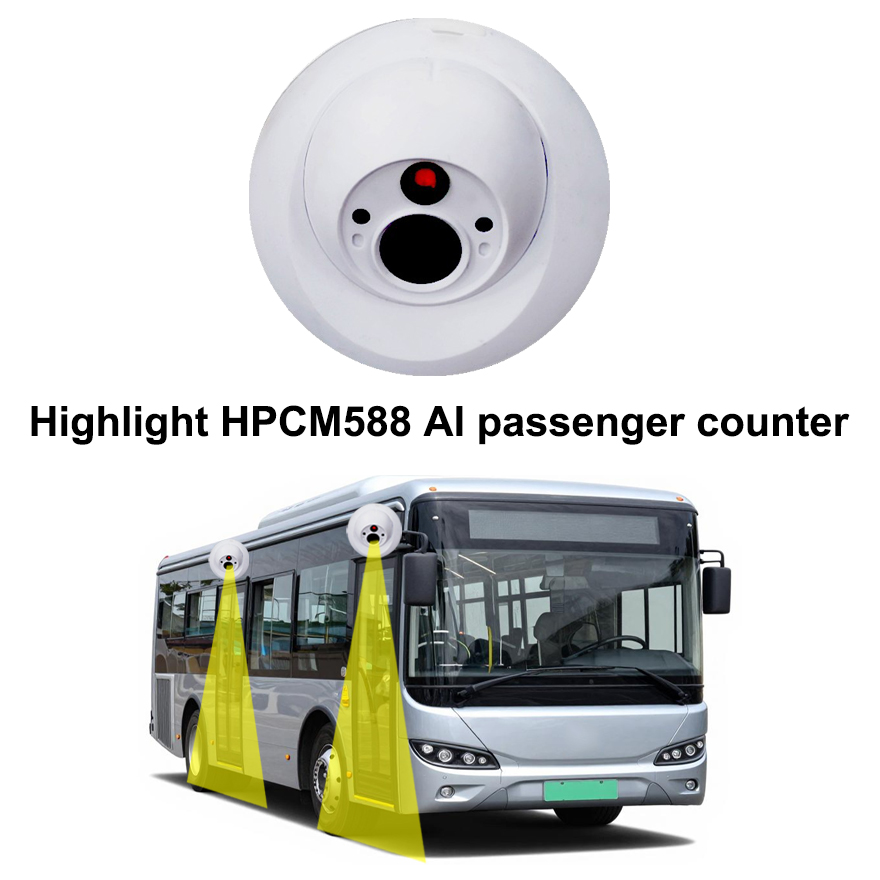
- Passenger counters: Designed for public transportation applications where boarding and alighting activities need to be recorded.
- AI people counters: Can be considered when a project requires image-analysis-based counting and more advanced object recognition capabilities.
Entrance width, installation height, passenger movement, lighting conditions and required data interfaces should all be evaluated during product selection.
System Compatibility and Integration Considerations
For B2B retail technology projects, equipment selection is only one part of the purchasing decision. Communication methods, software compatibility, installation requirements and data integration also affect the long-term operation of the system.
How an Electronic Shelf Label System Works
An ESL system typically connects product information management software with wireless access points and electronic price tags. Product information is managed through the software and transmitted through the base station to the corresponding shelf labels.
Product and pricing information
Wireless data transmission
Digital information display
POS and ERP Integration
Retail businesses often need product information to remain consistent between their management systems and physical displays. Highlight provides API and SDK integration options for its electronic shelf label solutions, allowing customers to connect relevant data with existing business systems.
Before selecting an ESL configuration, check the available interfaces, supported data formats, software deployment arrangements and integration requirements with your existing POS or ERP platform.
Compatibility Requirements for EAS Systems
EAS compatibility depends heavily on the operating frequency of the detection equipment and the security tags or labels used with it. AM, RF and EM products should not be treated as interchangeable without checking their technical compatibility.
Acousto-magnetic security technology. Confirm compatibility between AM detection equipment and corresponding AM tags.
Radio-frequency security technology. Select matching RF detection equipment and security labels or tags.
Electromagnetic security technology. Verify the corresponding EM equipment and consumable compatibility.
Data Access for People Counting Projects
People counting projects may require traffic reports to be transferred to internal management platforms or other business applications. Highlight provides API options for its people counting products. Check the specific model's communication interface, data format and integration documentation before finalizing a system configuration.
Frequently Asked Questions About Highlight Retail Technology Products
These questions address common purchasing, compatibility and deployment considerations for distributors, retailers, system integrators and commercial project buyers.
1. Should a retail chain choose electronic shelf labels or shelf LCD displays for its stores?
The decision depends on the information that needs to be displayed. Electronic shelf labels are primarily intended for digital price and product information management, making them suitable for stores that update shelf prices frequently. Shelf LCD displays are more appropriate when product images, colorful promotional content and dynamic visual advertising are important. For a retail chain, evaluate the purpose of each shelf area, available power connections, screen dimensions and content management requirements before selecting the technology.
2. What should distributors check when purchasing electronic shelf labels for supermarkets with different shelf layouts?
Distributors should compare screen dimensions, display resolution, color options, mounting accessories and communication compatibility. A small shelf label may be appropriate for compact retail products, while larger displays can provide more room for product descriptions and promotional information. It is also important to check the availability of suitable mounting accessories and base stations for the intended shelf configuration. Highlight offers ESL models across multiple display sizes, so buyers can evaluate different product formats within one product range.
3. What should buyers confirm before installing electronic shelf labels in refrigerated or frozen food sections?
Temperature compatibility should be confirmed before selecting an electronic frozen food tag. Buyers should review the specified operating temperature range, expected condensation conditions, battery performance and mounting method for the selected model. A standard retail ESL should not automatically be assumed suitable for a freezer environment. For projects involving multiple temperature zones, check each product model against its intended installation environment.
4. Can electronic shelf labels be integrated with an existing supermarket POS or ERP system?
Yes. Highlight provides API and SDK options for ESL integration with existing POS and ERP systems. However, compatibility depends on the customer's software architecture, data structure and interface requirements. Before deployment, the technical teams should review the available API or SDK documentation, data synchronization process and software configuration to establish a suitable integration method.
5. How should a supermarket determine the number and installation positions of ESL access points?
The number of access points should be determined by the store's physical layout, shelf arrangement, communication coverage and number of connected electronic shelf labels. Large stores, multi-floor retail environments and locations with structural obstructions may require different access point arrangements. Buyers should assess actual communication coverage rather than selecting the number of base stations based only on the total number of labels. A site-specific deployment assessment helps reduce communication gaps during daily operation.
6. Which people counting technology is more suitable for a retail store with multiple entrances?
The appropriate technology depends on entrance geometry, traffic volume, movement direction and the required counting information. Infrared people counters can monitor passage through defined entry points, while camera-based systems may be more suitable when the project requires additional image-based traffic analysis. For stores with multiple entrances, buyers should also evaluate data collection arrangements, network connectivity and whether the selected system can provide the required reporting across locations.
7. What is the difference between a retail people counter and a bus passenger counter?
A retail people counter is primarily used to record visitor traffic through store entrances or commercial spaces. A bus passenger counter is designed for public transportation applications, where the system needs to identify passengers boarding and alighting from a vehicle. Highlight's HPCM588 AI passenger counter uses cameras and a data controller to process passenger counting information. Buyers should select the equipment according to the installation environment and the type of traffic data they need to collect.
8. How can retailers avoid compatibility problems when purchasing EAS security tags and detection systems?
The most important step is to match the operating frequency of the security tags or labels with the EAS detection equipment. AM, RF and EM technologies use different detection methods and should not be mixed without verifying compatibility. Buyers should also check tag dimensions, attachment methods, product packaging and the appropriate detachment or deactivation equipment at checkout. This is particularly important for distributors purchasing security equipment and accessories in bulk.
9. Can a retail technology distributor purchase ESL, LCD displays, people counters and EAS products from one supplier?
Highlight's product portfolio covers all four categories, allowing distributors and commercial buyers to evaluate multiple retail technology product ranges from one supplier. However, each category has its own technical requirements, communication methods and installation arrangements. Buyers should confirm model specifications, accessory compatibility, software requirements and commercial terms for each product group before arranging a consolidated purchasing plan.
10. What information should wholesale buyers review before placing a long-term retail technology product order?
Wholesale buyers should review product specifications, model availability, accessories, communication interfaces, installation requirements and packaging details. For technology-dependent products, request the relevant technical documentation and verify compatibility with the intended application. Buyers should also evaluate product quality inspection procedures, spare-part arrangements and technical support availability. When planning repeat orders, maintaining consistent model specifications and clearly documented product configurations helps reduce purchasing and deployment discrepancies.
Explore Our Retail Technology Product Categories
Explore our specialized product categories to compare available equipment, review technical details and identify suitable solutions for your retail technology projects.
Looking for retail technology products for your distribution business or commercial project?
Contact Our Team